
'In a medium typically defined by consequence-free fantasy and limitless player agency, Pendragon reintroduces constraint as a generative force'
Posted by Michael O'Brien on 25th Jun 2026
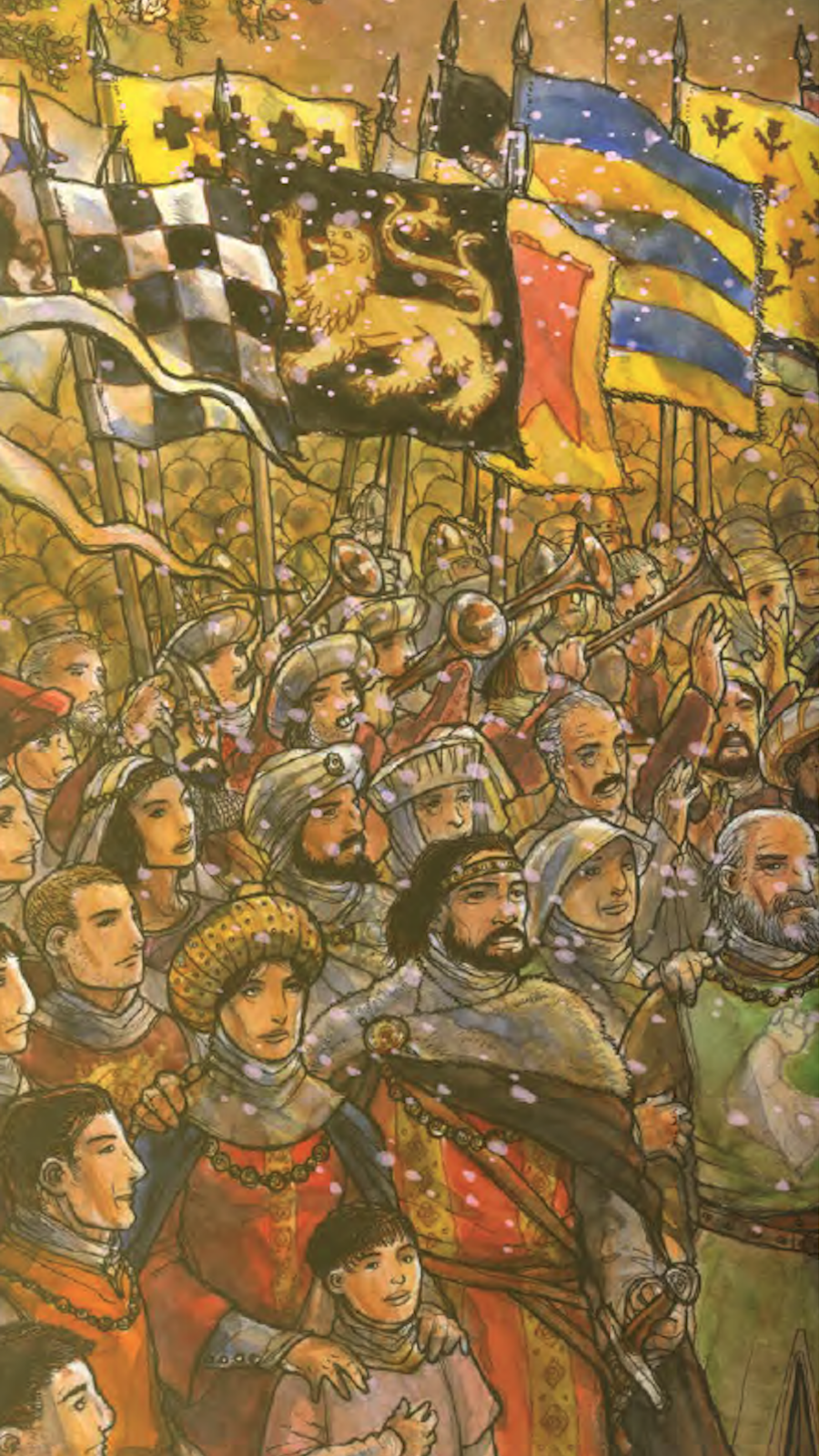
“What makes this approach significant is not Pendragon’s “accuracy” but what its constraint-based design suggests about engaging the past more broadly. The game’s appeal cannot be only nostalgia for “simpler times”—its mechanics are unforgiving, its world morally complex, and its knights vulnerable to random death. Rather, the game’s structure offers what postmodern life often lacks: bounded meaning-making. In a medium typically defined by consequence-free fantasy and limitless player agency, Pendragon reintroduces constraint as a generative force. The semi-permeable magic circle becomes a space where players can temporarily live according to different values, then carry that experience into contemporary reflection. Whether individual players experience this as meaningful engagement or simply escapist entertainment will vary, but the design itself proposes that re-enchantment need not require rejecting modernity or abandoning reason. It may only require recovering play as a space where meaning can still be made collectively.”
— Read Camille Deschapelles' paper, 'Around the Round Table: Moral Archaeology in King Arthur Pendragon' in the Journal of Board Game Academics (June 2026, Vol 3. Issue II).